Cosmetic Dentistry Bakersfield CA for Damaged Front Teeth
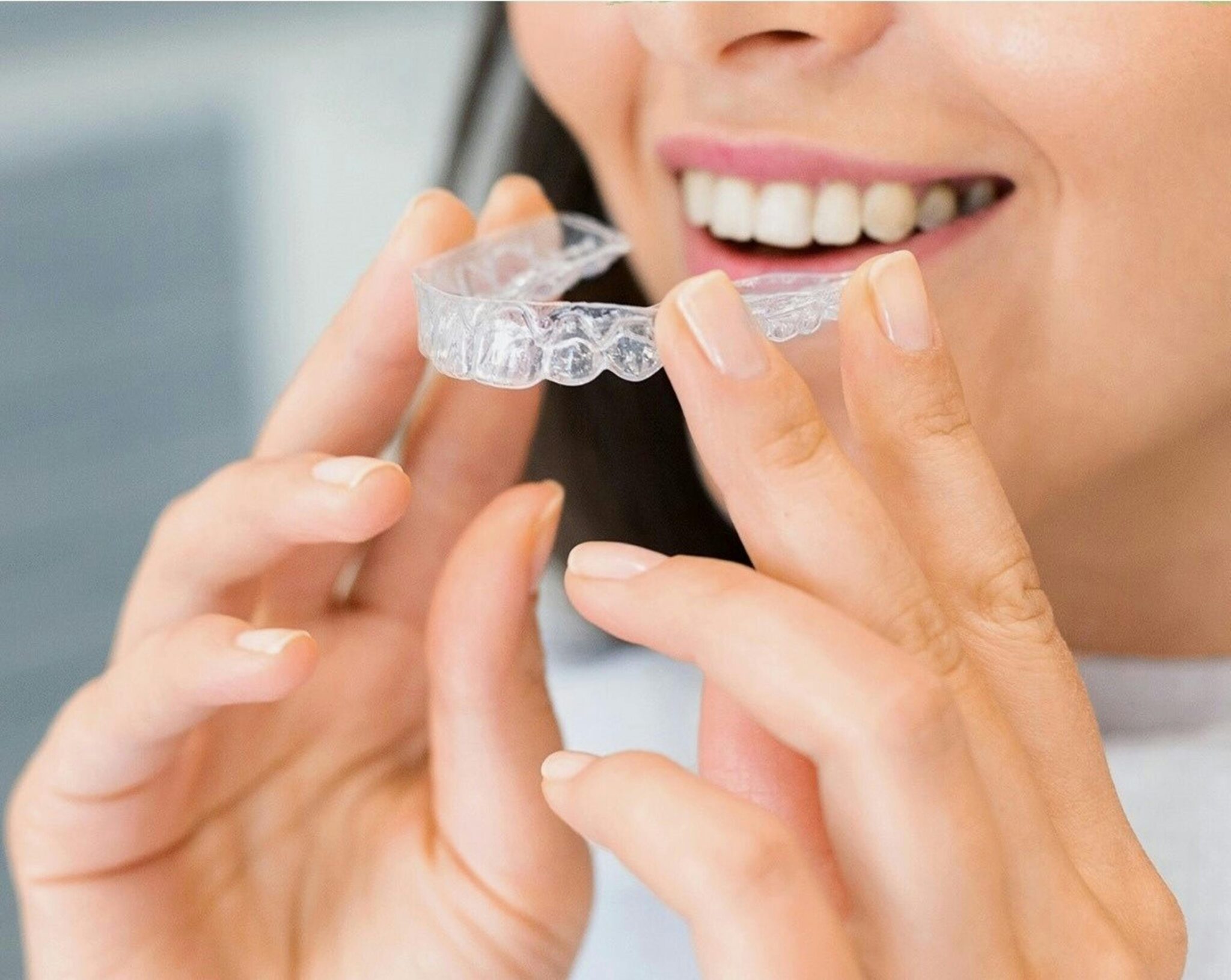

Front teeth take a beating. They catch a fork at dinner, meet a steering wheel in a car accident, chip on ice, crack under years of grinding, and sometimes simply wear down until a smile starts to look older than the rest of the face. When the damage is visible, people notice it fast, often before they mention pain. That is why treatment for front teeth sits in a different category from a back molar filling. Function matters, of course, but so do symmetry, light reflection, speech, bite pressure, and the way a restored tooth blends with the next one.
For patients looking into Cosmetic Dentistry Bakersfield CA, damaged front teeth are one of the most common reasons they finally book an appointment. It is not vanity. It is practical. Front teeth affect how a person smiles in photographs, how they feel at work, how clearly they pronounce certain sounds, and whether they instinctively cover their mouth during conversation. A broken edge on a central incisor can seem like a small defect on paper, but in real life it can dominate a face.
The challenge is that there is no single repair for every damaged front tooth. A tiny chip may need smoothing or bonding. A deeper fracture might call for a veneer or crown. Trauma that reaches the nerve may require root canal treatment before any cosmetic work begins. In some cases, the most attractive result is not the most conservative one, and in others, the opposite is true. Good dentistry lives in that judgment.
Why front teeth need a different kind of planning
Dentists treat front teeth with a level of precision that patients often do not see from the chair. The upper front teeth, especially the two central incisors, are focal points. The human eye picks up differences in their length, translucency, and angulation almost immediately. A restoration can be perfectly strong and still look wrong if the color is too flat or the edge shape does not match the neighboring tooth.
There is also a mechanical issue. Front teeth are thinner than molars. They cut food rather than grind it. That means the enamel at the edge can chip in a very distinct way. If someone has a deep overbite, clenches at night, or pushes the lower teeth into the backs of the upper front teeth, the repair has to survive a lot more force than a quick glance might suggest.
In practice, the best cosmetic work on front teeth is often the work no one notices. The tooth should not look “done.” It should simply look like the patient again, or in some cases, like a healthier version of themselves.
The most common types of front tooth damage
Not every broken tooth looks dramatic. Some problems are obvious the moment they happen. Others build slowly over years. The source of the damage often shapes the treatment.
A clean chip on the edge of a tooth, for example, is one of the simpler problems to manage if the fracture is shallow. Bonding can often restore the contour in a single visit. A crack that runs vertically, on the other hand, raises concern because cracks can deepen under normal chewing forces. If the tooth has darkened after trauma, the nerve may be compromised even if the enamel defect looks modest.
Wear creates another category entirely. I see many front teeth that are not chipped from one event, but flattened little by little from grinding, acidic drinks, reflux, or nail biting. These cases are less about patching a defect and more about rebuilding length without setting the patient up for repeated breakage.
Then there are old restorations. Composite bonding done ten years ago may have stained, chipped, or lost its polish. A crown placed after an accident may have a visible margin or no longer match the adjacent natural tooth. Patients often call these “damaged teeth,” even when the problem is the restoration rather than the tooth itself. That distinction matters because replacing dentistry is different from repairing enamel.
What a thorough evaluation should cover
A cosmetic consult for damaged front teeth should be more than a color discussion. Any dentist offering Cosmetic Dentistry Bakersfield CA for front tooth repair needs to assess not just what looks bad, but why it failed or changed in the first place. If the root cause is missed, even beautiful work may not last.
A sound evaluation usually includes:
- A close exam of the enamel, dentin, existing restorations, and gumline.
- Bite analysis, especially signs of clenching, grinding, or edge to edge contact.
- Pulp testing or X-rays when trauma, deep cracks, or discoloration suggest nerve involvement.
- Smile design considerations such as tooth proportion, midline, lip line, and surface texture.
- A discussion of the patient’s habits, timeline, budget, and tolerance for future maintenance.
That last point matters more than people expect. A college student who wants a conservative fix before graduation photos may make a different choice than a professional who wants the most stable long-term esthetic result. Neither choice is automatically right or wrong.
Composite bonding, the conservative first move
For small to moderate chips, worn edges, and minor shape corrections, composite bonding is often the most conservative answer. Tooth-colored resin is layered onto the tooth, sculpted, and polished to mimic natural enamel. In skilled hands, it can look excellent.
Bonding has real advantages. It usually preserves more natural tooth structure than veneers or crowns. It can often be completed in one visit. It is also easier to repair later if a small area chips. For younger patients, especially those in their teens or twenties who may not be ideal candidates for more aggressive treatment, bonding is frequently the smart first step.
But bonding has limits. Composite resin does not resist staining as well as porcelain. Coffee, tea, red wine, and smoking can dull the shine over time. The material can also wear or chip, especially in patients with heavy bite forces. In the front of the mouth, where light behavior is everything, very large bonded restorations may not have the same depth and translucency as high-quality ceramic.
I have seen bonding work beautifully for years when the case is well chosen and the patient uses a night guard if needed. I have also seen it fail quickly when someone with severe grinding gets a cosmetic patch without addressing the bite. The material is only part of the equation.
Veneers, when shape and color both need help
Porcelain veneers are thin ceramic shells bonded to the front surface of teeth. They can be an excellent option when front teeth are chipped, worn, uneven, discolored, or Cosmetic Dentistry Bakersfield CA difficult to match with direct composite alone. Veneers are especially useful when the goal is not just to repair a defect but to improve the overall appearance of one or more front teeth at the same time.
The strength of veneers lies in their optical quality. Well-made porcelain reflects light more like enamel than composite does. That matters most in the front teeth. A veneer can mask internal discoloration, restore edge length, and create a cleaner symmetry across the smile.
Still, veneers are not just “stick-ons,” despite the way they are sometimes marketed. Many cases require some enamel reshaping for ideal fit and contour. That means the decision should be deliberate. Veneers also work best when the bite is reasonably stable. If a patient has an untreated grinding habit or lower teeth that strike the veneers directly during function, the risk of chipping rises.
Another practical point is matching. If only one front tooth is being restored, that single veneer has to blend with a live natural tooth beside it, which is one of the hardest tasks in esthetic dentistry. Sometimes bonding or a crown is actually the better choice for a single-tooth repair. When two or more front teeth are treated together, the dentist and lab often have more control over symmetry and shade.
Crowns, when strength takes priority
A front tooth crown covers the entire visible portion of the tooth. Crowns are often used when the tooth has extensive fracture, a large failing restoration, significant structural loss, or has undergone root canal treatment and needs more reinforcement.
Patients sometimes worry that a crown automatically means a bulky, opaque front tooth. That can happen with poor planning, but modern all-ceramic crowns can be highly esthetic. The key is case design, tooth preparation, tissue management, and lab communication. A well-made anterior crown should not look chalky or overly uniform.
The trade-off is conservation. Crowns generally require more tooth reduction than bonding or veneers. That is why many experienced dentists reserve them for teeth that truly need full coverage. If a front tooth is mostly intact and only has a small chipped corner, a crown would usually be too aggressive. If the tooth is already heavily restored, cracked, and dark from previous trauma, a crown may be the most predictable option.
One pattern I see often is the “old emergency fix.” A person fell years ago, had a quick repair, and now the tooth is discolored, patched, and structurally compromised. In those cases, the final restoration is often more complex than the original injury suggested.
When the nerve is involved
Cosmetic concerns can distract from biology. A front tooth that was hit months or years ago may look stable on the outside while the pulp inside is inflamed or non-vital. Signs can include spontaneous pain, lingering sensitivity, a pimple on the gum, tenderness to pressure, or gradual darkening.
If the nerve is compromised, cosmetic treatment alone will not solve the problem. The tooth may need root canal therapy before it is restored. Sometimes internal bleaching is possible after root canal treatment if the main issue is darkening. In other cases, the remaining tooth structure and color make a veneer or crown the more reliable approach.
This is one reason quick online comparisons between “bonding versus veneers” can be misleading. A front tooth is not just a shape and a shade. It is a living structure with a history, and treatment should reflect that.
Matching one front tooth is harder than fixing several
Patients are often surprised to hear that restoring a single central incisor can be one of the hardest procedures in cosmetic dentistry. Two natural front teeth are rarely identical, but they share subtle characteristics that make them look like a pair. Their translucency changes toward the edge. Their surface texture scatters light in a particular way. Tiny developmental lines, incisal halos, and faint warmth near the gumline all matter.
A replacement that is too perfect can look fake. A replacement that is too opaque can look dead. Even a color match that seems fine under overhead office lighting may look off in daylight.
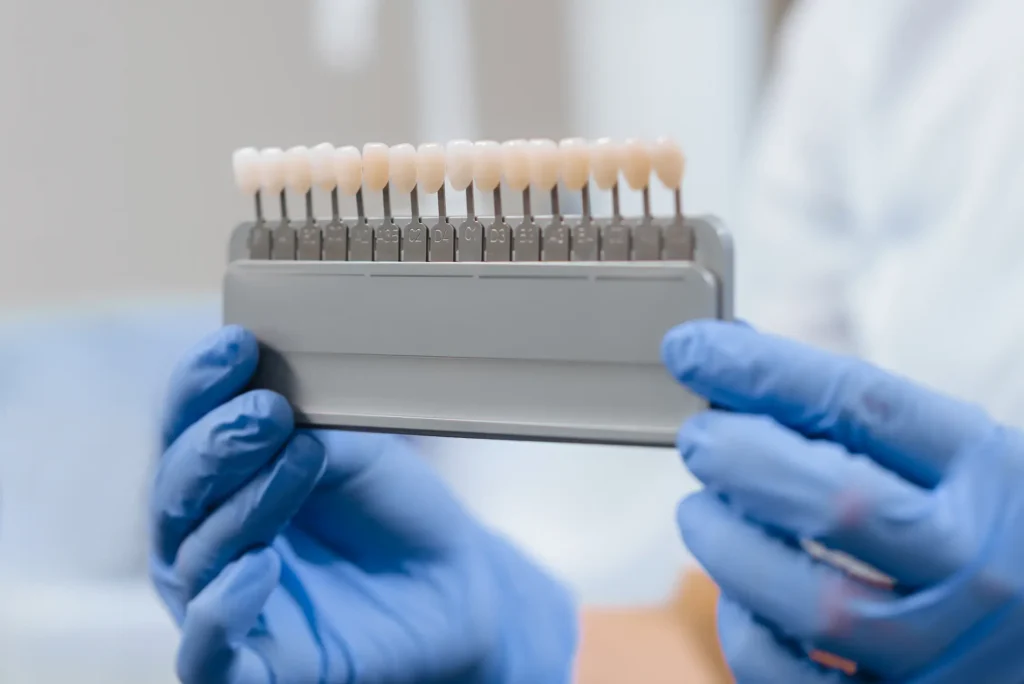
That is why shade selection for damaged front teeth sometimes takes longer than patients expect. Photos, custom shade mapping, and lab communication become essential, especially for porcelain work. In the best cases, the dentist has enough time to stage the process rather than rushing from diagnosis to delivery.
Bite matters more than most patients realize
A beautiful front tooth restoration placed into a hostile bite will eventually tell the truth. Chips, edge wear, and debonding often trace back to force. Bakersfield patients who work stressful jobs, wake with jaw soreness, or notice flattened back teeth often have parafunctional habits even if they do not think of themselves as grinders.
Restoring a damaged front tooth without addressing bite can become an expensive loop. The same corner keeps breaking. The veneer chips. The bonding loses its edge. The patient starts to feel that cosmetic dentistry “doesn’t last,” when the real issue is unaddressed function.
For that reason, many dentists recommend a protective night guard after repairing front teeth, especially when there are clear wear patterns. It is not glamorous, but it is often the difference between dentistry that lasts and dentistry that gets redone.
What the process typically looks like
Treatment length depends on the repair. Bonding may happen in one appointment. Veneers and crowns usually involve records, preparation, temporaries, lab fabrication, and a final delivery visit. If gum tissue needs to heal or a tooth has recently been traumatized, the timeline may stretch longer.
Patients considering Cosmetic Dentistry Bakersfield CA for damaged front teeth should expect several parts of the process to overlap. Diagnosis comes first, but esthetic planning happens early. A dentist may take photographs, review how the lips frame the teeth at rest and in a full smile, and evaluate whether neighboring teeth affect the final result. A short tooth beside a damaged longer tooth can change the whole plan.
Here are the questions worth asking before treatment begins:
- Is the proposed repair mainly cosmetic, mainly structural, or both?
- How much natural tooth will be altered?
- What happens if the restoration chips or stains later?
- Will I need a night guard or any bite adjustment afterward?
- How closely can one tooth realistically match the one next to it?
Clear answers to those questions tend to separate thoughtful treatment planning from sales-oriented treatment planning.
Cost, value, and the temptation to choose too quickly
Front tooth repairs vary widely in cost because the procedures vary widely in complexity. A small bonding repair is usually far less expensive than a lab-fabricated ceramic veneer or crown. But low upfront cost is not always low total cost if the restoration needs repeated repair. By the same token, the most expensive option is not automatically the best one if it removes more tooth than necessary.
Value in cosmetic dentistry comes from fit, function, esthetics, and longevity considered together. A conservative bonded repair that looks good and lasts five to seven years before needing polish or touch-up can be an excellent value. A ceramic restoration that holds color beautifully and stays stable much longer may also be an excellent value when the case justifies it.
The wrong move is usually a rushed move. Patients with a broken front tooth are understandably eager to fix it fast, especially before a wedding, job interview, or family event. Speed is sometimes necessary, but front teeth reward careful planning.
Red flags patients should not ignore
Not every cosmetic consultation Cosmetic Dentistry Bakersfield CA is equal. Some offices are excellent with routine whitening and simple bonding but do not regularly handle nuanced anterior reconstruction. Damaged front teeth deserve a dentist who pays attention to small differences because small differences are exactly what show.
Warning signs include pressure to commit before diagnosis is complete, no discussion of bite or grinding, no mention of shade complexity, and treatment plans that skip over the condition of the nerve or root after trauma. Another concern is a promise of perfect results without acknowledging maintenance. Every material has limits. Honest dentistry includes that conversation.
A reliable provider will usually speak in specifics. They will explain why one option preserves more structure, why another may last longer, or why doing less today could keep better options available later. That kind of judgment is the heart of good cosmetic care.
Choosing the right treatment in Bakersfield
Bakersfield patients often come in with a practical mindset. They want to know what works, what lasts, and what will still look natural in ordinary life, not just under bright operatory lights. That is the right way to think about damaged front teeth. The best result is not the whitest tooth or the most dramatic makeover. It is a repair that respects the face, the bite, and the remaining tooth.
For some people, the answer is simple bonding and a night guard. For others, it is a porcelain veneer designed to restore both shape and color. For a badly compromised tooth, a crown after endodontic treatment may be the most sensible path. There is no universal best option, only the best option for that tooth, that bite, and that patient.
Cosmetic Dentistry Bakersfield CA can do remarkable work for damaged front teeth when the treatment is conservative where possible, stronger where necessary, and never disconnected from function. If a front tooth has been chipped, cracked, worn down, or discolored, the right next step is a careful evaluation, not a generic fix. When the plan is thoughtful, the repair can feel almost invisible, which is exactly what most patients wanted all along.
Toothworks of Bakersfield, Dentist and Orthodontist
Address: 1030 H St #1, Bakersfield, CA 93304
Phone number: +16613239421
FAQ About Cosmetic Dentistry Bakersfield CA
What is considered cosmetic dentistry?
Cosmetic dentistry includes any dental treatment focused primarily on improving the appearance of your teeth, gums, or bite rather than treating a disease or restoring basic function.
How much does cosmetic dentistry usually cost?
The cost of cosmetic dentistry typically ranges from a few hundred dollars for minor touch-ups to over $20,000 for a comprehensive smile makeover, depending entirely on the specific procedure, materials used, and how many teeth are treated. Because most cosmetic treatments are elective, they are usually paid out of pocket without insurance coverage.
Is there a difference between a regular dentist and a cosmetic dentist?
Yes, a regular dentist focuses on your overall oral health and preventing disease, while a cosmetic dentist focuses on improving the look of your smile.