Cosmetic Dentistry Bakersfield CA: Popular Treatments Explained
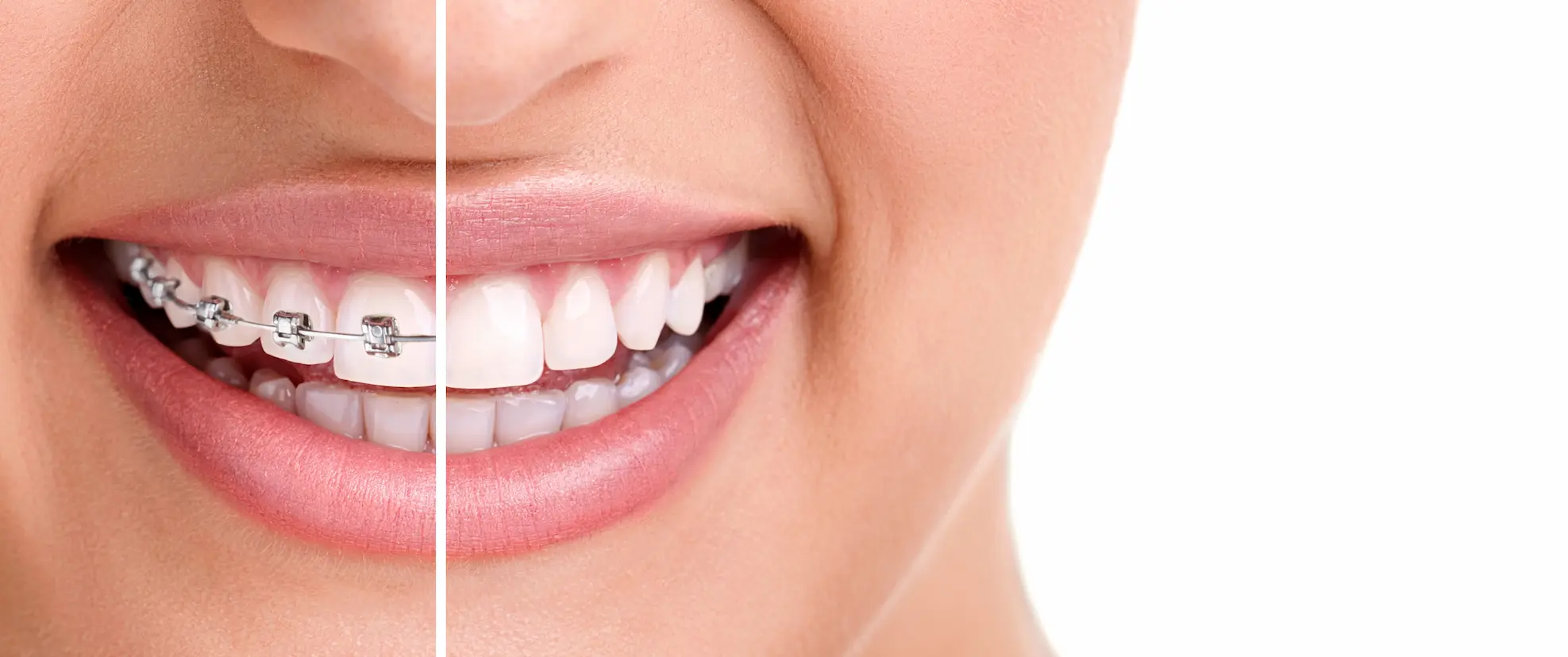
A healthy smile does more than improve a photograph. It changes how people speak, laugh, interview, and carry themselves day to day. In a place like Bakersfield, where professional appearance, family life, and social confidence often overlap, cosmetic dental work is rarely just about vanity. Most patients who ask about improving their teeth are trying to solve something practical. They may want to cover staining that does not respond to whitening toothpaste, close a visible gap before a wedding, repair a chipped front tooth, or replace older dental work that now looks flat or obvious.
The phrase Cosmetic Dentistry Bakersfield CA covers a broad range of treatments, and that breadth can be confusing. Some procedures are quick and conservative. Others involve careful planning, laboratory work, and a bigger investment of time and money. The best results come from understanding what each treatment is designed to do, where it shines, and where it falls short.
Cosmetic dentistry is not one single service. It is a category of treatments that improve the color, shape, alignment, proportion, and overall look of teeth and gums. In many cases, the work also improves function. A well-shaped bonding repair can protect a chipped edge. Straightening crowded teeth can make oral hygiene easier. Replacing a missing tooth can support chewing and help preserve bite balance. The cosmetic side and the practical side are often closely linked.
What patients are usually trying to fix
Most cosmetic consultations revolve around a familiar set of concerns. Teeth may be discolored from coffee, tea, red wine, smoking, certain medications, or simple wear over time. Edges may look uneven from grinding or minor trauma. Some smiles show old metal fillings or crowns that no longer blend naturally. Others have spacing, crowding, or a small mismatch in tooth size that becomes very noticeable in the front of the mouth.
There is also a strong emotional component. People often adapt their behavior around a smile they dislike. They cover their mouth while laughing, avoid close-up photos, or smile without showing teeth. After years of that habit, even modest cosmetic improvements can feel significant. One of the most common reactions after a successful case is not dramatic excitement, but relief. Patients stop thinking about their teeth every time someone points a phone camera in their direction.
Because the motivations vary, the right treatment varies too. A person with healthy enamel and surface staining may need nothing more than whitening. Someone with worn, dark, misshapen front teeth may need veneers or crowns. Another patient may be better served by orthodontics first, then conservative finishing work. Good cosmetic dentistry is less about selling a popular procedure and more about matching the procedure to the actual problem.
Teeth whitening, simple in theory, technique-sensitive in practice
Whitening is often the first treatment people ask about because it is familiar, relatively affordable, and noninvasive. Professional whitening generally uses peroxide-based gels to lighten stains within the enamel and dentin. The biggest advantage is obvious: it can brighten a smile without drilling, reshaping, or placing a restoration.
That said, whitening is not as predictable as many ads make it sound. Yellow-toned teeth often respond better than gray-toned discoloration. Stains from food and drink usually improve more than deep intrinsic staining from trauma or certain medications. Existing crowns, fillings, veneers, and bonding do not whiten, which matters if there are visible restorations in the smile zone. A patient may whiten the surrounding teeth only to discover that older dental work now stands out more.
In-office whitening can produce a faster result, often within a single visit, though sensitivity is a common short-term side effect. Take-home trays from a dental office usually work more gradually but allow better control over shade changes and touch-ups. In my experience, patients do best when they understand that whitening is maintenance, not a one-time event. Coffee, tea, tobacco, curry, and even certain mouth rinses can slowly pull the shade back down. Retention depends on habits.
For someone considering cosmetic dentistry in Bakersfield CA, whitening is often the best first step because it may reduce or even eliminate the need for more involved treatment. If a patient is already happy with the shape and alignment of their teeth, brightening the color can be enough.
Dental bonding, a small fix that can make a big difference
Bonding is one of the most useful tools in cosmetic dentistry because it can be conservative, efficient, and surprisingly artistic. The dentist applies tooth-colored composite resin to repair chips, soften sharp edges, close small spaces, or improve minor shape irregularities. When done well, bonding blends into the natural tooth so smoothly that most people cannot tell where the restoration begins.
This treatment is especially appealing for younger patients or anyone who wants to improve a smile without committing to veneers or crowns. Little to no tooth reduction may be needed. In many cases, the procedure can be completed in one visit. That combination of speed and preservation is hard to beat.
Still, bonding has trade-offs. Composite resin is durable, but it is not as stain-resistant or as strong over the long term as porcelain. It can chip, dull, or pick up discoloration, especially in patients who bite their nails, chew ice, grind their teeth, or drink a lot of coffee. Repairs are usually straightforward, but maintenance should be expected. Bonding also depends heavily on the skill of the clinician. Matching translucency, edge contour, and surface texture is part technical and part artistic.
A common real-world scenario is the patient who chips one front tooth on a fork, a coffee mug, or during a weekend game with family. Bonding is often ideal here. It can restore shape quickly without turning a single accident into a more aggressive treatment plan.
Porcelain veneers, transformative when chosen for the right reasons
Veneers are thin porcelain shells bonded to the front surfaces of teeth, usually the upper front teeth most visible in the smile. They are popular because they can address several concerns at once: color, shape, size, spacing, and mild alignment issues. For a patient with deeply stained teeth, small gaps, worn edges, or irregular proportions, veneers can produce a dramatic and natural-looking change.
The appeal is easy to understand. Porcelain reflects light in a way that resembles enamel, resists staining better than composite, and can be customized for texture and shade. Modern veneers can look refined rather than overly bright or blocky, which matters because the old stereotype of cosmetic dentistry is still out there. Most people do not want “done” teeth. They want attractive teeth that still look believable.
The caution is equally important. Veneers are not a casual beauty treatment. In many cases, some enamel must be reshaped to make room for them, though preparation levels vary. Once the teeth are prepared, the process is not reversible in any practical sense. Veneers also require thoughtful case selection. If a patient has active gum disease, untreated decay, unstable bite issues, or significant clenching habits, those concerns need attention first. Otherwise even beautiful veneers may fail prematurely.
There is also a style question. The best veneer cases respect the patient’s face, age, lip line, speech patterns, and natural features. Overly large, uniformly white, perfectly square teeth can look artificial in a hurry. Experienced cosmetic dentists often spend significant time discussing smile design, including what the patient likes and does not like about their current smile. Photographs, wax-ups, and provisional mockups can help avoid disappointment.
For many people researching Cosmetic Dentistry Bakersfield CA, veneers are the treatment they have seen online most often. They can be excellent, but they are best approached as a custom dental restoration, not a cosmetic impulse purchase.
Crowns, when cosmetics and structural repair overlap
Crowns are often grouped with cosmetic treatments, though their role is broader. A crown covers the entire visible portion of a tooth and is commonly used when a tooth is heavily filled, fractured, root canal treated, or too damaged for a more conservative option. When made from modern ceramic materials, crowns can also look very natural, particularly in visible areas.
The distinction matters because a crown is usually chosen when strength is just as important as appearance. If a front tooth has a large old filling, significant discoloration, or cracks, a veneer may not provide enough coverage or support. A crown may be the better long-term choice. On back teeth, where biting forces are greater, cosmetic concerns still matter, but durability often drives the decision.
One issue patients sometimes do not anticipate is the challenge of matching a single front crown to surrounding natural teeth. It can be done very well, but it takes communication among the dentist, patient, and lab. Shade is only part of the picture. Shape, line angles, translucency, and gum contour all affect the final result. A front crown that is technically acceptable but slightly too opaque can still draw the eye.
Clear aligners and orthodontic treatment, the foundation before finishing touches
Not every cosmetic concern should be covered over. Sometimes the better answer is to move the teeth into healthier positions first. Clear aligners have become a common option for adults who want straighter teeth without braces that are more visible. They can correct mild to moderate crowding, spacing, and certain bite issues, and they often fit well with professional and social routines.
Orthodontic treatment is especially useful when a patient is considering veneers mainly to disguise crookedness. If the teeth can be aligned first, the final cosmetic work may be more conservative. In some cases, straightening alone is enough. In others, whitening or minor bonding after orthodontics creates the finished result.
Patients are sometimes surprised that moving teeth can improve more than appearance. Straightened teeth may be easier to clean, less likely to wear unevenly, and less stressful on certain bite relationships. Of course, aligners are not magic. Success depends on wearing them as directed, often around 20 to 22 hours a day. More complex cases may still require traditional braces or specialist care.
Implants, bridges, and the cosmetic side of replacing missing teeth
When a tooth is missing, appearance is only one part of the problem, but it is usually the part people notice first. The front smile can look incomplete, speech may change, and neighboring teeth can drift over time. Cosmetic dentistry overlaps with restorative dentistry here, especially when replacing a visible tooth.
A dental implant is often the closest replacement to a natural tooth because it supports a crown from within the jawbone rather than relying on adjacent teeth. When conditions are right, implants offer excellent stability and a natural look. They do require sufficient bone, healthy gums, and several months of healing in many cases. They also tend to cost more upfront than a bridge.
A bridge can be a strong aesthetic solution when the neighboring teeth already need crowns or when an implant is not suitable. The main drawback is that a traditional bridge uses adjacent teeth for support. This is not automatically a problem, but it is a more involved choice if those teeth are otherwise healthy.
Replacing a missing tooth well is about more than filling a space. Gum shape, bone support, tooth proportion, and bite all affect the final cosmetic result. Front tooth implants in particular are detail-driven cases. They can look excellent, but the planning must be careful.
Gum contouring and the frame around the teeth
People often focus on the teeth themselves and overlook the gums, yet gums frame the smile. Teeth that are healthy and white can still look short, uneven, or “gummy” if the gum line is not balanced. Gum contouring, sometimes done with a laser or conventional technique, reshapes excess gum tissue to reveal more Cosmetic Dentistry Bakersfield CA of the natural tooth and create symmetry.
This treatment can be subtle or dramatic depending on the starting point. In a mild case, refining the gum line around one or two teeth can make the smile look more balanced. In a more involved case, altering a gummy smile can change the entire appearance of the upper front teeth. The key is diagnosis. Sometimes excess gum tissue is the issue. Other times the lip position, tooth eruption pattern, or jaw structure plays a bigger role.
A conservative approach is usually wisest. Over-contouring is difficult to hide and may create sensitivity or aesthetic problems of its own. The best results tend to look like nothing was done at all, only that the teeth suddenly appear proportionate.
How dentists decide which treatment fits
Cosmetic treatment planning is part science, part engineering, and part visual judgment. A good consultation goes beyond “What shade do you want?” The dentist should assess enamel quality, gum health, bite forces, grinding habits, existing restorations, jaw alignment, facial proportions, and the patient’s goals. Someone who wants a camera-ready smile for a major event in two months may need a different path than someone planning a phased upgrade over a year.
Here are five questions worth asking during a cosmetic consultation:
- What problem is this treatment solving, and is there a more conservative way to solve it?
- How long can I realistically expect this result to last with normal care?
- Will this treatment affect healthy tooth structure, and if so, how much?
- What maintenance or future replacement should I plan for?
- Can I see before-and-after examples of cases similar to mine?
Those questions tend to reveal whether the plan is thoughtful or generic. They also shift the conversation from sales language to clinical judgment, which is where it belongs.
Cost, longevity, and why the cheapest option is not always the least expensive
Cosmetic dentistry costs vary widely based on materials, complexity, number of teeth involved, and whether supporting treatment is needed first. Whitening is usually the least expensive entry point. Bonding often sits in the middle range. Veneers, crowns, aligners, and implants represent larger investments, especially when multiple teeth are treated.
Price matters, but so does lifespan. A low-cost cosmetic fix that stains, chips, or needs frequent replacement may become more expensive over time than a better-planned alternative. At the same time, the most expensive option is not automatically the best. I have seen patients get excellent value from a simple whitening and bonding combination because the underlying teeth were healthy and the concerns were modest. I have also seen patients regret rushing into veneers when orthodontics and contouring would have preserved more natural structure.
Several factors tend to influence durability:
- daily habits such as coffee, smoking, nail biting, and ice chewing
- grinding or clenching, especially at night
- oral hygiene and gum health
- bite design and how forces hit the front teeth
- regular maintenance, including professional exams and cleanings
That short list explains why two patients can receive the same procedure and have very different long-term outcomes.
What to expect during the process
Cosmetic cases often unfold in stages, even when the visible change seems simple. The first appointment may involve photographs, digital scans or impressions, shade evaluation, and a discussion of priorities. If whitening is part of the plan, it usually happens before final shade-matched restorations. If bite issues or crowding are significant, orthodontic movement may come first. Temporary restorations or mockups are sometimes used to test shape and speech before final porcelain is made.
This planning stage is where many strong outcomes are won. Rushing straight to treatment can create avoidable problems. A veneer that looks beautiful in a static photo may feel bulky in speech. A crown that matches under operatory lights may appear too bright in daylight. Small refinements in length or contour can make a large difference once the patient starts talking and smiling naturally.
Patients should also expect some adjustment time, even with excellent work. Teeth may feel different against the lips or tongue at first. Sensitivity may occur after whitening or preparation. A new smile can take a little while to feel like your own, which is normal.
Choosing a provider in Bakersfield
When people search for Cosmetic Dentistry Bakersfield CA, they often compare websites full of polished before-and-after photos. Those images can be helpful, but they do not tell the whole story. Cosmetic dentistry depends on diagnosis, communication, and follow-through as much as visual talent.
Look for a dentist who explains options clearly, including what not to do. Restraint is a sign of confidence. If every cosmetic concern gets the same recommendation regardless of age, enamel condition, or budget, that is a red flag. It is also worth paying attention to how the office discusses maintenance. Well-made dentistry still needs care. Night guards, hygiene visits, whitening touch-ups, and periodic polishing are part of the long-term picture.
Another practical point is whether the dentist’s aesthetic style aligns with yours. Some patients prefer a very bright, flawless look. Others want something softer and more natural, with small characteristics that keep the smile believable. Neither preference is wrong, but the provider should understand the difference.
The best cosmetic dentistry often looks effortless
The strongest cosmetic results rarely announce themselves. They fit the face, the age, the voice, and the personality. They do not just look good in a close-up still image. They look right in motion, in daylight, in conversation, and years later.
That is why popular treatments like whitening, bonding, veneers, crowns, aligners, implants, and gum contouring should not be viewed as interchangeable menu items. Each has a place. Each has limitations. The goal is not to choose the trendiest procedure, but the one that solves the real problem while preserving as much health and function as possible.
For patients exploring Cosmetic Dentistry Bakersfield CA, that mindset makes all the difference. A brighter smile is nice. A smile that looks natural, feels comfortable, and holds up over time is better.
Toothworks of Bakersfield, Dentist and Orthodontist
Address: 1030 H St #1, Bakersfield, CA 93304
Phone number: +16613239421
FAQ About Cosmetic Dentistry Bakersfield CA
What is considered cosmetic dentistry?
Cosmetic dentistry includes any dental treatment focused primarily on improving the appearance of your teeth, gums, or bite rather than treating a disease or restoring basic function.
How much does cosmetic dentistry usually cost?
The cost of cosmetic dentistry typically ranges from a few hundred dollars for minor touch-ups to over $20,000 for a comprehensive smile makeover, depending entirely on the specific procedure, materials used, and how many teeth are treated. Because most cosmetic treatments are elective, they are usually paid out of pocket without insurance coverage.
Is there a difference between a regular dentist and a cosmetic dentist?
Yes, a regular dentist focuses on your overall oral health and preventing disease, while a cosmetic dentist focuses on improving the look of your smile.